What does the new climate politics mean for climate investment?
Climate VC Fund is proud to lead a $2m investment round in Liquium, the Wellington-based deep-tech company tackling one of the world’s hardest-to-decarbonise industries: ammonia.
Liquium is the first investment for Climate VC Fund 2

Climate VC Fund is proud to lead a $2m investment round in Liquium, the Wellington-based deep-tech company tackling one of the world’s hardest-to-decarbonise industries: ammonia.
Climate VC boosts governance expertise

Climate Fund 2 appoints three new experts to the independent Climate Impact Committee
Cleantech is mostly China

The technological response to climate change is mostly a story of China’s response to climate change. Four out of five solar panels, one in every two heat pumps, two-thirds of electric cars, and almost all the world’s batteries are all made in China. This is a structural change in the world’s economy – China’s fossil fuel consumption has plateaued despite ever-increasing energy consumption.
The State of Climate Change in 2025: Setbacks, Solutions and Silver Linings

“It was the best of times, it was the worst of times, it was the age of wisdom, it was the age of foolishness, it was the spring of hope, it was the winter of despair.” Dickens might well have been writing about 2025. Looking at the headlines, you could be tempted into thinking the world of climate change response is all the latter and none of the former right now.
Climate Venture Capital Fund Invests in Mara Bio

Climate Venture Capital Fund leads a $1M investment in Mara Bio, a biotech start-up transforming food by-products into Flexitein®, a clean, climate-positive protein ingredient. Learn how this circular solution is reshaping sustainable nutrition.
Decarbonisation can be a national investment
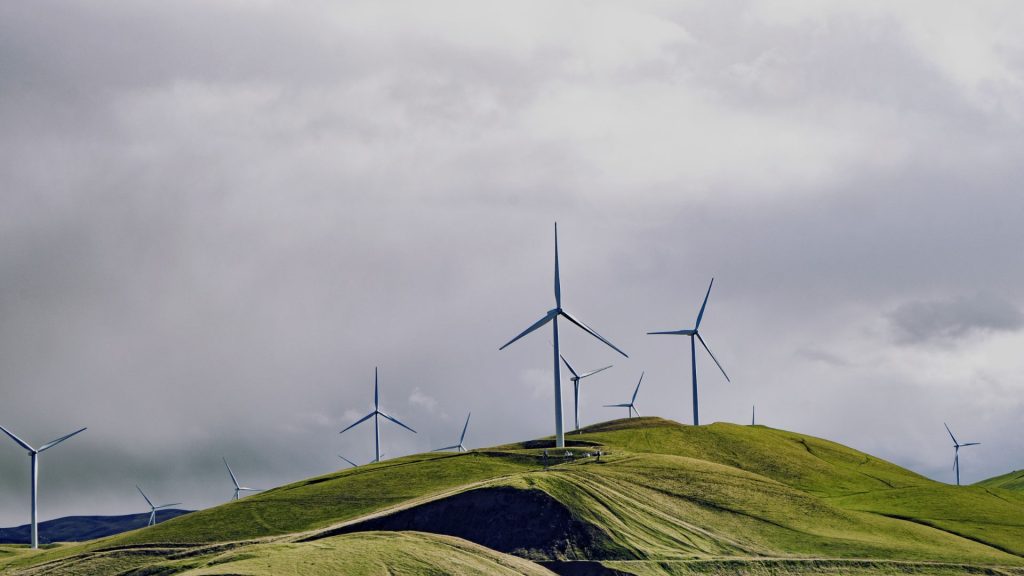
Much of the resistance to rapid decarbonisation makes the claim that countries cannot afford these new technologies.
This may have been true once, but the falling costs and growing advantages of cleaner technologies have flipped this around. Many nations are now seeing this transition as cost-neutral, or even beneficial, with a recent OECD-UNDP report laying out the evidence that “accelerating climate action is not only feasible, it also makes economic sense. What do the costs look like for New Zealand?