What they do.
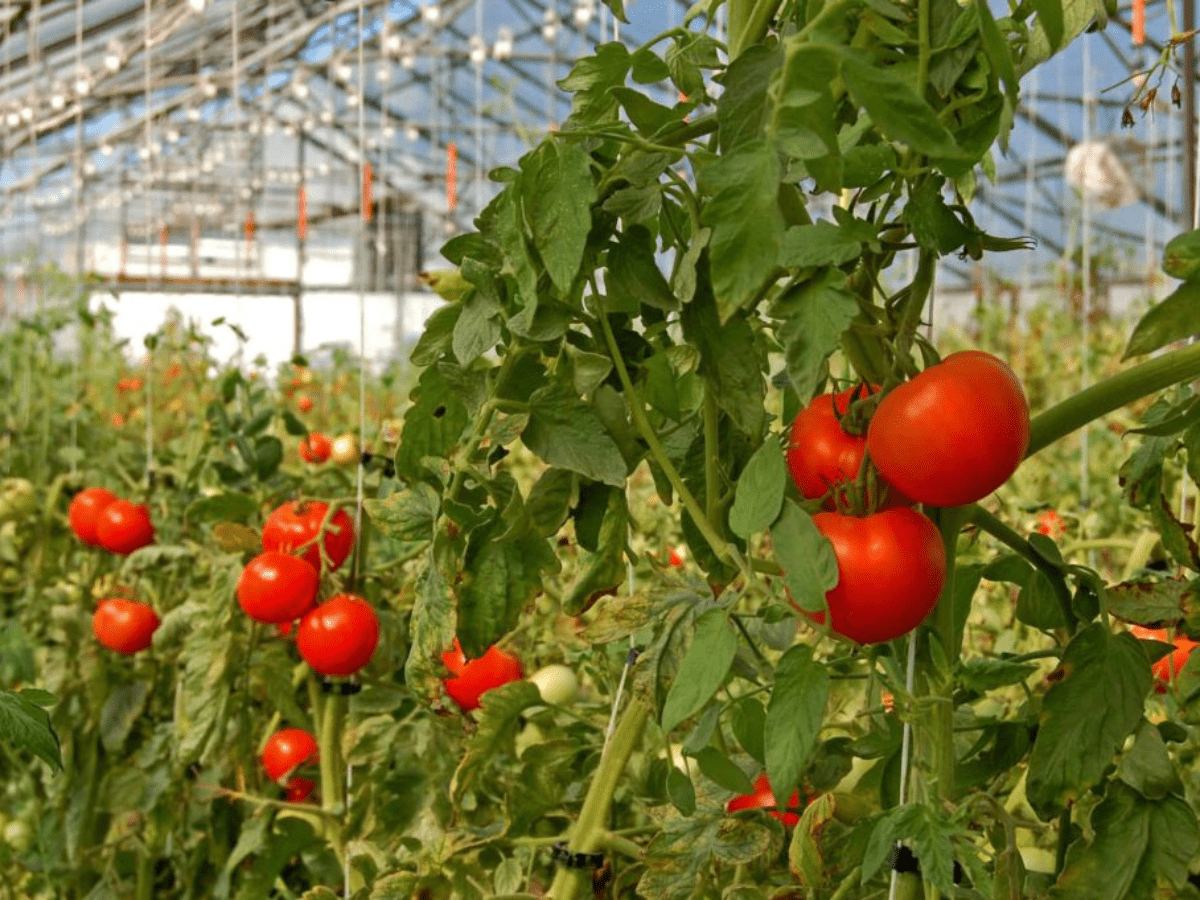
Aplenty produces green CO₂ for commercial greenhouses. Greenhouses use CO₂ to accelerate plant growth, typically sourced from industrial petrochemical processes. Aplenty's process generates clean, food-grade CO₂ from renewable feedstock. The output replaces fossil-derived industrial CO₂ at the point of use, on-site at the greenhouse.
The technology is designed to be deployed in modular units alongside greenhouse operations. Growers get a stable supply at predictable cost, without dependence on industrial gas suppliers.
Why it matters.
Industrial CO₂ is a multi-billion-dollar global market. Most of it is produced as a by-product of ammonia synthesis, hydrogen production, or other petrochemical processes. Greenhouse horticulture in particular relies on imported industrial CO₂ to maintain productivity. Supply disruptions, price volatility, and the embedded emissions of fossil-source CO₂ all add cost and risk.
A distributed green-CO₂ supply changes the structure. Growers gain supply security at a competitive price. The CO₂ used to grow food is no longer a fossil-fuel by-product. The commercial value proposition leads; the emissions outcome follows.
Where they are now.
- Piloting with leading New Zealand commercial growers.
- Further capital raise underway, supporting commercial-scale deployment.
- Company renamed from Hot Lime Labs to Aplenty in 2026 to reflect the broader market positioning.
- Capital deployment supports modular-unit manufacturing, customer pilots, and international expansion preparation.
The CVCF investment.
Climate Fund 1 backed Aplenty in the early validation phase. The thesis: distributed, on-site green CO₂ at greenhouse-grade purity is a structural improvement on the petrochemical-by-product supply chain. Growers win on cost and reliability; the emissions benefit follows commercial uptake.
Aplenty passed the Climate Impact Committee's IRIS+ review. Each tonne of green CO₂ supplied displaces a tonne of industrial CO₂ from fossil-fuel processes, with measurable emissions impact tied to commercial output.