
Climate Fund 2 · Wholesale + AIP-visa.
Our second Australasian climate fund.
Targeting $50 million in capital and ≥25% IRR. Mitigation target 50 million tonnes of CO₂-e by 2035 across $50 million deployed. Independent governance with veto power. Listed on Catalist for wholesale investors.
From the team, the Committee, and the founders.
The Climate Fund 2 pitch.
The partners, the Climate Impact Committee, and the founders we back, on what Climate Fund 2 invests in and why.
Climate Fund 2 at a glance.
Fund terms.
Per the Information Memorandum, November 2025.
The thesis.
Three reasons Climate Fund 2 exists.
01
Returns where impact is the signal
We invest where decarbonisation results from commercial advantage, not its cost. Targeting ≥25% IRR. Companies don't rely on green premiums or regulatory loopholes; they win because they are cheaper, better, faster, or scalable.
02
Australasian deal flow with Fund 1 follow-on
Ten active companies across Climate Fund 1 since 2021, in water, energy, waste, agri-food, industrial, and marine. Climate Fund 2 holds exclusive follow-on rights into the strongest of them, plus new deal flow.
03
Independent governance with veto
A Climate Impact Committee of seven independent experts uses IRIS+ to measure each proposed investment, and can veto a deployment of capital. No NZ or Australian peer offers comparable governance.
Climate Impact Committee.
"For many funds, 'impact' is self-defined, self-measured, and self-reported. For us, it has always been different."
An independent panel of seven experts in climate impact, investment, and policy. They use IRIS+ to measure each proposed investment, and can veto a deployment of capital.
Meet the CommitteePortfolio examples.
Climate Fund 2 follows on from these.
Industrial · CVCF 2
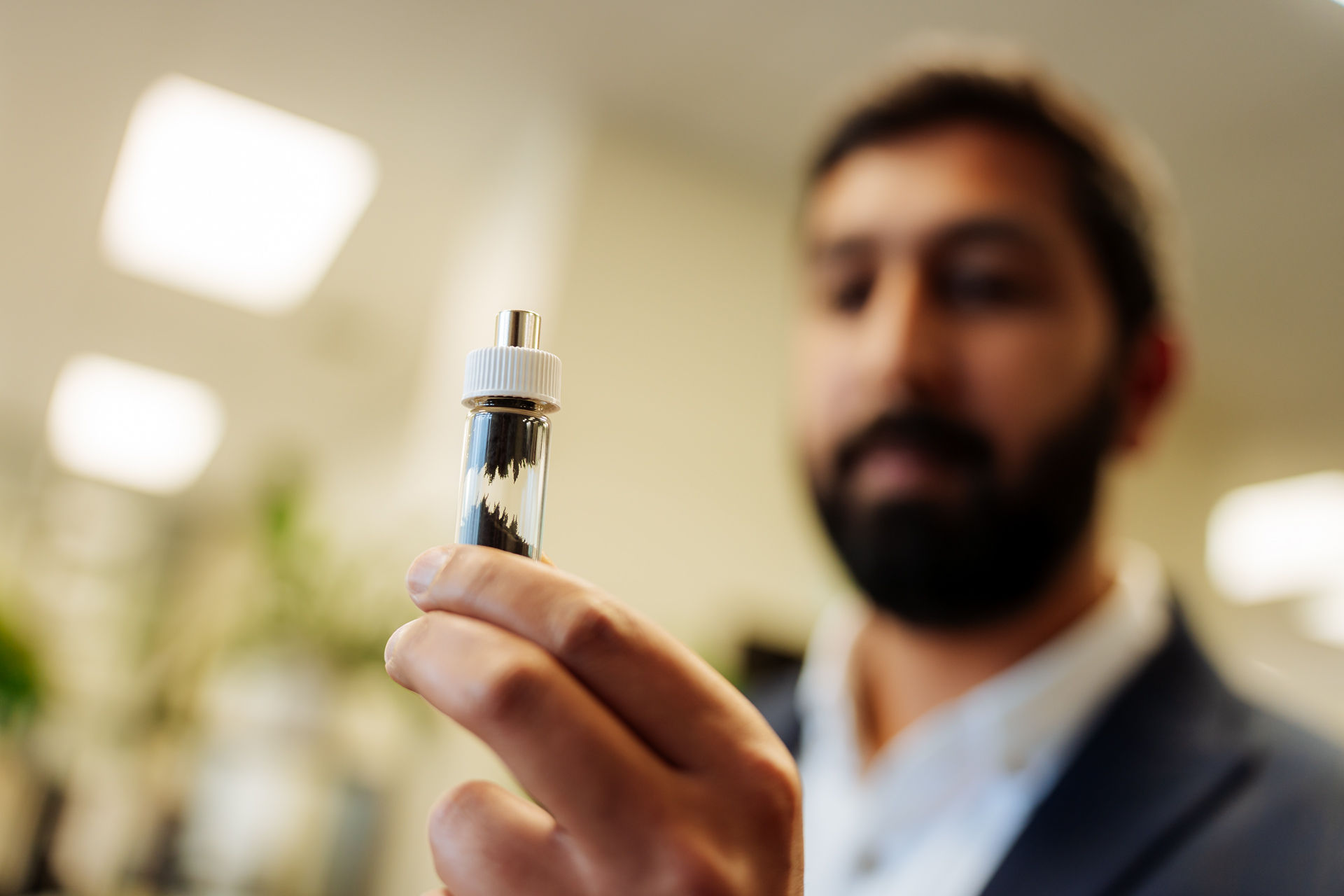
CullBeck
Coal-free ironmaking that turns ironsand into iron in 150 seconds, not eight hours.
First company backed across both 2040 Ventures funds. Demonstration plant with NZ Steel at Glenbrook.

Industrial · CVCF 1 + 2
Liquium
Catalysts that transform Haber-Bosch ammonia synthesis, addressing 2% of global emissions.
Dramatically increasing catalyst productivity vs commercial incumbents. CVCF 2 first investment, February 2026.

Energy storage · CVCF 1
MGA Thermal
Patented miscibility-gap-alloy thermal storage, making 24/7 renewables a reality.
Series A complete; demonstration plant operational.
Water · CVCF 1 + 2
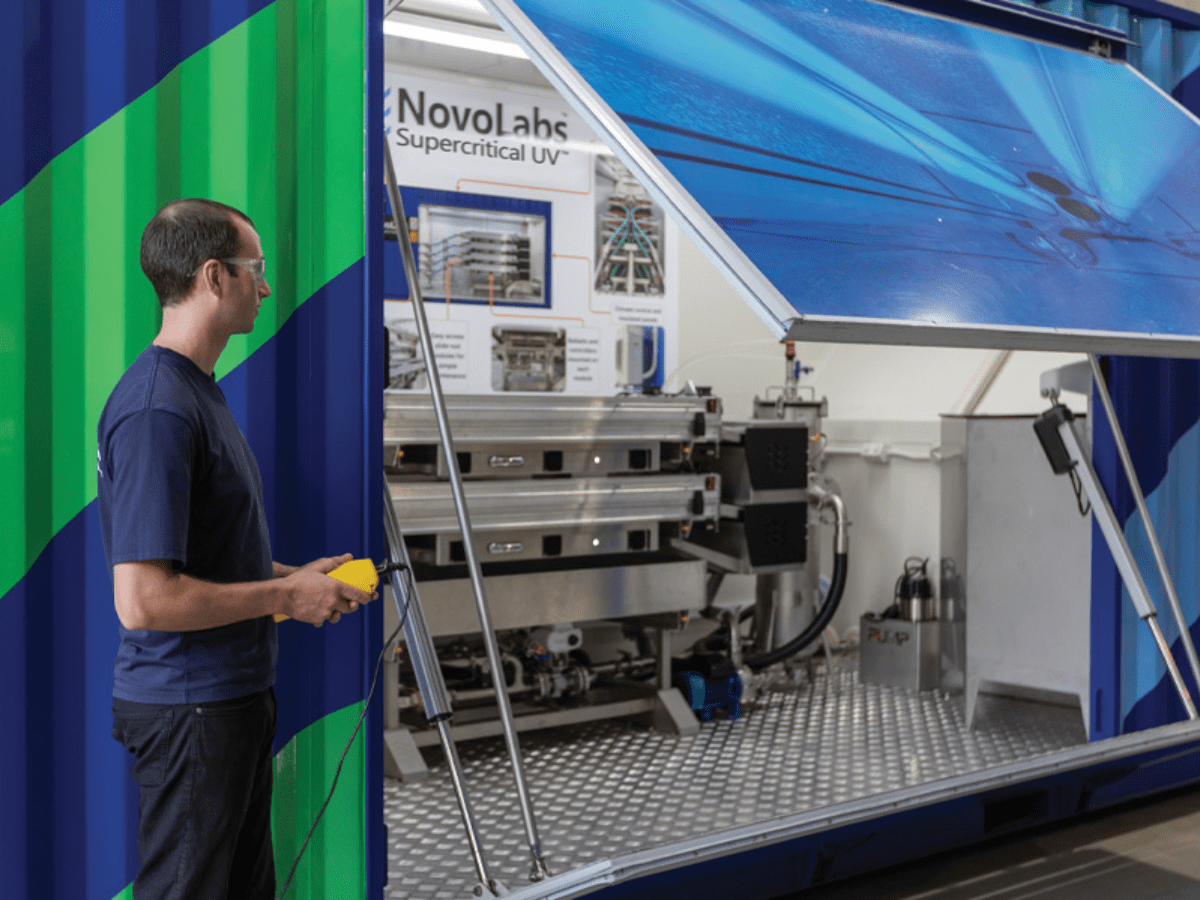
NovoLabs
World-first Supercritical UV Disinfection System, treating wastewater with UVT below 1%.
NZ Hi-Tech Awards 2024, Most Awarded Hi-Tech Company.
Why now.
Four reasons this is the moment.
01
A capital gap, not a thesis problem.
Global venture funding has retreated from the 2021 to 2022 peak. Climate tech is comparatively resilient, but there are fewer growth-stage investors. Selective investors with track records win on price and selection.
02
Australasian climate tech is hitting commercial inflection.
Climate Fund 1's 2021 cohort is now reaching commercial-validation milestones. Demonstration plants operational. International commercial contracts signed. Pre-emptive follow-on rights mean Fund 2 captures the upside.
03
AIP visa capital is now flowing.
The Active Investor Plus visa Growth category is bringing global capital to New Zealand. Climate Fund 2 is approved as an Acceptable Managed Fund. Few AIP-eligible funds meet the institutional-quality bar AIP capital looks for.
04
Institutional measurement standards have arrived.
Climate Fund 2 is the first and only New Zealand fund publishing ESG_VC results, and a pioneer applying Planetary Boundaries to venture investment. A structural advantage that compounds over the fund's lifetime.
Read the IM
Information Memorandum.
For wholesale investors and AIP-visa applicants.
What's inside
- Climate Fund 2 mission and thesis
- Fund terms (size, IRR target, fee, carry, hurdle, minimum)
- The Climate Impact Committee and IRIS+ methodology
- 10 portfolio company examples (Climate Fund 1)
- How to invest via Catalist
"The Climate Venture Capital Fund 2 is our preferred sustainable venture capital fund offering in Australasia. It boasts a strong and experienced team and has a lower risk profile than the previous Fund 1 due to its later stage investments."
EriksensGlobal Fund Review · 2025.
Independent review mandated by NZ KiwiSaver fund. Full report available on request.
Frequently asked.
Wholesale-investor FAQ.
Who can invest in Climate Fund 2?
Climate Fund 2 is open to wholesale investors as defined under section 3 schedule 1 of the Financial Markets Conduct Act 2013. This includes investors meeting the $750,000 minimum-investment threshold, certified high-net-worth individuals, eligible investors, and AIP-visa applicants. The fund is not open to retail investors. The minimum investment is NZD $100,000.
How does the AIP-visa pathway work?
Climate Fund 2 is approved by Invest New Zealand as an Acceptable Managed Fund under the Active Investor Plus visa, Growth category. The visa requires NZD $5 million in acceptable investments over three years. You can commit at any time. Immigration New Zealand receives evidence of your commitment, and residency requires 21 days in New Zealand across the three-year conditional visa period.
What does veto power mean for the Climate Impact Committee?
The Climate Impact Committee independently evaluates each proposed investment against IRIS+ emissions-reduction criteria. If the Committee determines an investment does not meet the climate-impact threshold, or other ESG-related criteria, the deployment of capital may not proceed, regardless of the commercial case. This is unusual; most funds with "impact committees" hold them as advisory.
How are capital calls structured?
Capital is drawn in tranches over the three-year investment phase. Investors commit upfront. Capital is called as deployment opportunities arise. The IM sets the indicative call schedule.
How is impact measured and reported?
Climate impact is measured against IRIS+ metrics, a globally-recognised framework. The Climate Impact Committee validates each investment's measurement methodology before deployment. The fund publishes an annual Impact Report covering portfolio emissions, ESG framework assessments, and progress against the 50 million tonnes CO₂-e mitigation target.
For wholesale investors only.
New Zealand law normally requires people who offer financial products to give information to investors before they invest. This requires those offering financial products to have disclosed information that is important for investors to make an informed decision.
The usual rules do not apply to this offer because there is an exclusion for offers where the amount invested upfront by the investor (plus any other investments the investor has already made in the financial products) is $750,000 or more.
As a result of this exclusion, you may not receive a complete and balanced set of information. You will also have fewer other legal protections for this investment. Investments of this kind are not suitable for retail investors. Ask questions, read all documents carefully, and seek independent financial advice before committing yourself.
Last updated November 2025.