What they do.
Zethos recovers zinc and other precious metals from waste streams using a low-energy chemical process. Conventional zinc recycling requires high-temperature pyrometallurgy with substantial energy and emissions. Zethos' process operates at low temperatures, low energy, and low emissions. The output is high-purity zinc that meets industrial specifications.
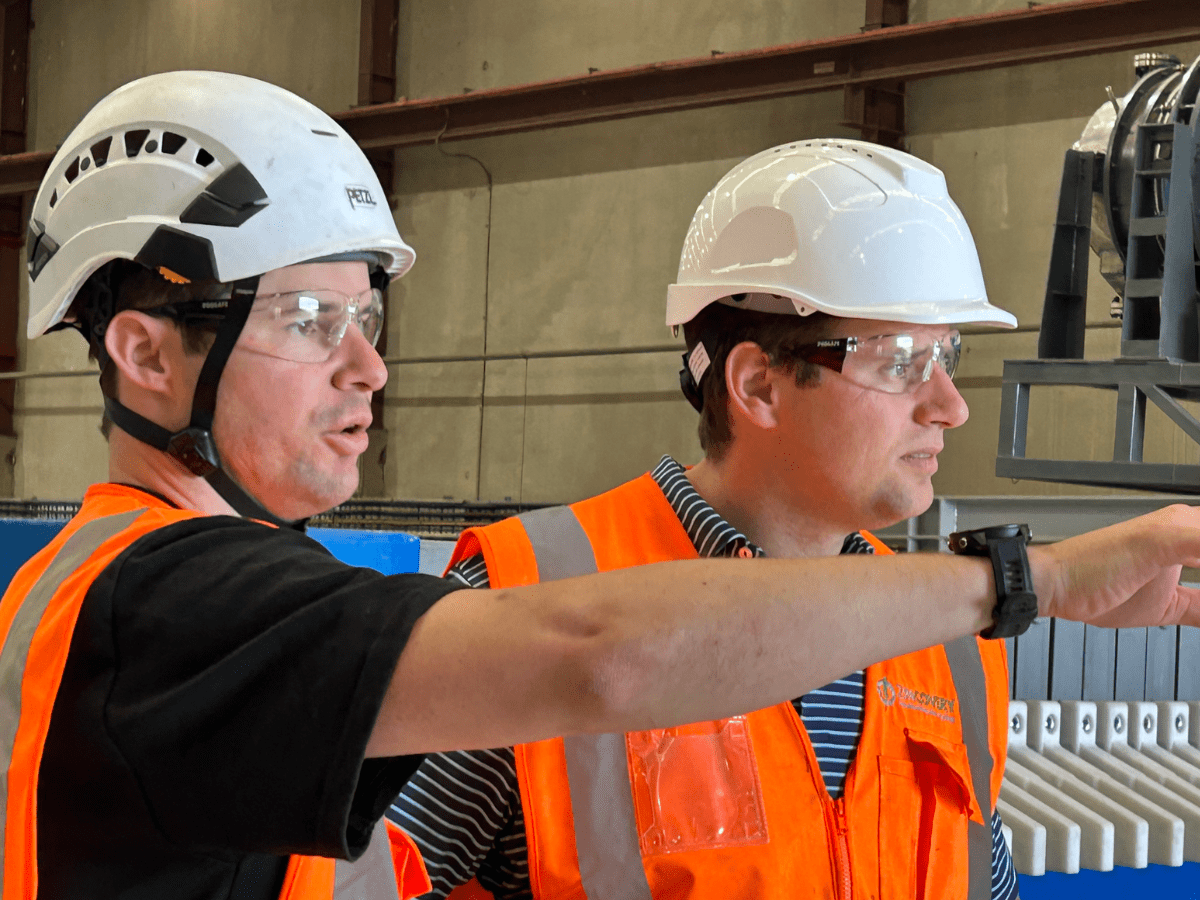
The company built its first commercial demonstration plant in Christchurch, New Zealand. Commercial-scale processing of waste-zinc dust from steel galvanising and other industrial sources is underway.
Why it matters.
Zinc is one of the most-used industrial metals globally, used extensively in steel coating, batteries, and chemicals. Each year, the world generates more than $10 billion in waste-zinc dust that conventional recycling cannot process economically. The dust is typically landfilled or shipped to high-emissions smelters in lower-cost geographies.
A clean, scalable recovery process reframes the economics. Industrial waste becomes a feedstock. Low-emissions recovery competes on price with imported smelter zinc. The environmental impact, measured in avoided emissions and recovered metal, scales with commercial deployment.
Where they are now.
- April 2026, Prime Minister Christopher Luxon opened the company's first demonstration plant in Christchurch. CEO Jonathan Ring led the launch.
- Series A complete.
- Engaging steel-galvanising operators and other industrial waste-zinc producers across Australasia for commercial supply agreements.
- Company renamed from Zincovery to Zethos in 2026 to reflect the broader precious-metals strategy.
The CVCF investment.
Climate Fund 1 backed Zethos when the recovery chemistry was being validated at pilot scale. The investment case: industrial waste streams are a growing problem and a growing opportunity, and the company that recovers value at low energy wins on cost and on emissions. Zethos meets both bars.
Zethos passed the Climate Impact Committee's IRIS+ review. Each tonne of zinc recovered from waste displaces a tonne of high-emissions smelter zinc, with measurable impact tied to commercial volume.